Finding accredited CPD
This course provides an in-depth exploration of how different biopsy types influence specimen processing and diagnostic accuracy, particularly in dermatopathology. Led by Prof. Cliff Rosendahl and Dr. Simon Clark, the course covers essential aspects of biopsy selection, processing techniques, and the implications for accurate diagnosis.
Unit 1: Specimen Processing
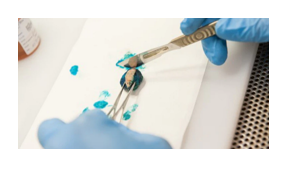
The first unit introduces participants to the critical role of specimen processing in dermatopathology. Dr. Clark discusses the responsibilities of both clinicians and pathologists in ensuring accurate diagnoses. Clinicians are tasked with providing comprehensive clinical information and selecting appropriate biopsy techniques. The unit covers the pros and cons of punch, shave, and elliptical biopsies, emphasising that the type of biopsy can impact diagnostic accuracy, particularly for melanocytic lesions. Key insights include handling specimens in the lab, understanding tissue processing stages, and ensuring margins are clear to prevent misdiagnosis.
Unit 2: Correlation Cases
The second unit focuses on real-world correlation cases, where clinical and histological findings are examined to highlight the importance of accurate biopsy techniques. Using a series of patient cases, Prof. Rosendahl illustrates the value of clinical history, dermatoscopic imaging, and specimen handling in diagnosing skin lesions. Participants learn how to apply decision algorithms, such as chaos and clues, to assess lesion patterns and make informed biopsy decisions. The unit also addresses the challenges of diagnosing complex cases and the importance of interdisciplinary collaboration between clinicians and pathologists.
Together, these units equip healthcare professionals with the knowledge to select the right biopsy techniques and improve diagnostic outcomes through better specimen processing and histological correlation.
*Medical Board of Australia's (MBA)'s Registration Standard: Continuing professional development (the Standard)