Finding accredited CPD
Trichoscopy has become an important diagnostic technique in the evaluation of hair and scalp disorders. Using a dermatoscope to examine the scalp allows clinicians to visualise hair shafts, follicular structures and vascular patterns that are not visible to the naked eye. These microscopic findings can provide valuable clues that assist in diagnosing alopecia, monitoring disease progression and guiding treatment decisions.
Foundations of Trichoscopy for Hair Disorders provides clinicians with a structured introduction to trichoscopic examination and interpretation. Participants will learn how to identify characteristic dermoscopic features associated with both scarring and non-scarring alopecias, recognise patterns of hair shaft damage, and interpret scalp findings that indicate inflammatory or structural pathology. By combining visual pattern recognition with clinical reasoning, practitioners will gain practical skills that can be applied in everyday clinical consultations.
Unit 1: Role of Trichoscopy
This unit introduces the principles and clinical applications of trichoscopy in the assessment of hair and scalp conditions.
Participants will learn:
What trichoscopy is and how dermatoscopes can be used to examine the scalp and hair structures
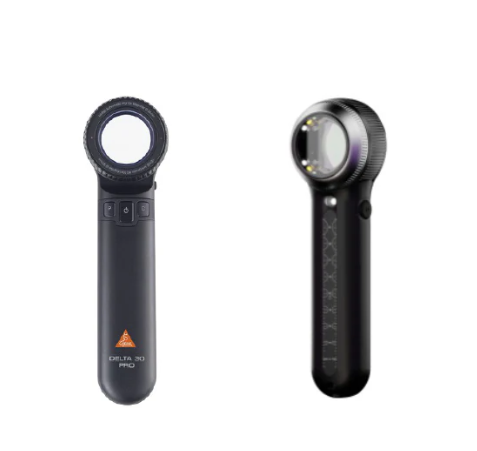
The different types of trichoscopy equipment available, including handheld dermatoscopes and digital imaging systems
How trichoscopy can reveal hair shaft abnormalities, follicular unit changes and scalp vascular patterns
The step-by-step approach to evaluating hair shafts, follicular openings, scalp features and hair distribution
The unit also introduces key terminology used in trichoscopy, including findings such as black dots, yellow dots, broken hairs, corkscrew hairs, pigtail hairs and tufted hairs, helping clinicians become familiar with the language used in trichoscopic diagnosis.
Unit 2: Pattern Hair Loss
Unit two focuses on trichoscopic features of pattern hair loss, also known as androgenetic alopecia.
Participants will explore:
The trichoscopic characteristics of androgenetic alopecia in both men and women
Hair diameter variability and the presence of miniaturised hairs
Identification of vellus hairs and the significance of hair shaft thickness variation
Perifollicular hyperpigmentation known as the peripilar sign
Changes in follicular units as the disease progresses
Through these features, clinicians learn how trichoscopy can help confirm the diagnosis of pattern hair loss and distinguish it from other causes of diffuse hair thinning.
Unit 3: Telogen Effluvium
This unit examines the role of trichoscopy in identifying telogen effluvium and differentiating it from other causes of hair shedding.
Participants will learn how to recognise:
Short upright regrowing hairs that indicate hair cycle recovery
The predominance of single-hair follicular units
Features that distinguish telogen effluvium from androgenetic alopecia
Trichoscopic clues that help exclude other causes of hair loss such as cicatricial alopecia or alopecia areata
The unit also highlights the importance of combining trichoscopic findings with patient history and clinical examination when diagnosing telogen effluvium.
Unit 4: Alopecia Areata
Unit four explores the distinctive trichoscopic features associated with alopecia areata.
Participants will learn to identify:
Yellow dots representing follicular openings filled with keratin or sebum
Black dots indicating broken or destroyed hair shafts
Exclamation mark hairs with tapered bases and thicker distal ends
Short vellus hairs and broken hairs seen during disease progression
The unit also explains how trichoscopy can help evaluate disease activity and monitor treatment response in patients with alopecia areata.
Unit 5: Trichoscopic Features Suggesting a Cicatricial Process
The final unit focuses on trichoscopic patterns that indicate scarring (cicatricial) alopecia.
Participants will explore key features seen in conditions such as lichen planopilaris, frontal fibrosing alopecia, discoid lupus and folliculitis decalvans, including:
Absence of follicular openings indicating follicular destruction
Perifollicular scale and erythema associated with inflammatory scarring disorders
Follicular pustules and vascular changes seen in neutrophilic cicatricial alopecias
Hair tufting and fibrotic white areas indicating advanced follicular damage
This unit helps clinicians recognise when hair loss may represent a scarring process that requires urgent diagnosis and management.
By the end of this course, participants will understand the key principles of trichoscopic examination and be able to recognise the characteristic dermoscopic features of common hair disorders. These skills will support more accurate diagnosis, improved clinical confidence and more informed decision-making in the management of patients presenting with hair loss.
*Medical Board of Australia's (MBA)'s Registration Standard: Continuing professional development (the Standard)