Finding accredited CPD
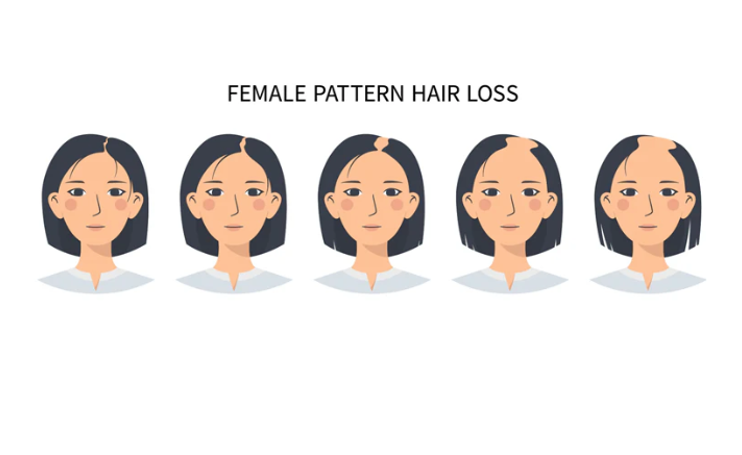
Female pattern hair loss (FPHL), also known as female androgenetic alopecia, is one of the most common causes of hair thinning in women and is frequently encountered in clinical practice. The condition typically presents with progressive thinning across the central scalp or crown while preserving the frontal hairline, and can have a significant impact on self-esteem, body image and quality of life. Although often gradual in onset, the condition can be distressing for patients and requires a careful clinical approach to ensure accurate diagnosis and effective management.
This course provides clinicians with a structured and evidence-based framework for understanding, diagnosing and managing female pattern hair loss. Participants will explore the epidemiology and biological mechanisms underlying the condition, learn to recognise characteristic clinical patterns, and understand how to differentiate female pattern hair loss from other causes of alopecia such as telogen effluvium, traction alopecia and scarring disorders. The course also reviews the role of trichoscopy, clinical examination and appropriate investigations in confirming the diagnosis, while highlighting the importance of assessing potential associated conditions such as polycystic ovarian syndrome and metabolic risk factors.
Unit 1: Female pattern hair loss – diagnosis and treatment
This unit provides a comprehensive overview of the diagnosis and management of female pattern hair loss.
Participants will learn about the epidemiology of the condition and how its prevalence increases with age, affecting a large proportion of women over their lifetime. The biological mechanisms behind hair follicle miniaturisation are explored, including the interaction between genetic predisposition, hormonal influences and follicular signalling pathways that lead to progressive thinning of terminal hairs.
The unit also examines the clinical presentation of female pattern hair loss, including common patterns such as the Ludwig and Olsen patterns, and highlights key clinical clues such as widening of the central hair part and preservation of the frontal hairline. Participants will learn how to take a focused patient history, recognising important factors such as the speed of hair loss, distribution of thinning, associated symptoms and potential triggers.
Practical guidance is provided on clinical examination and trichoscopy, including identifying hallmark features such as variation in hair shaft diameter (anisotrichosis), miniaturised hairs and other dermoscopic findings that support the diagnosis. The unit also reviews the differential diagnosis of female pattern hair loss, helping clinicians distinguish it from other conditions including telogen effluvium, alopecia areata, traction alopecia, trichotillomania and scarring alopecias.
Finally, the course explores evidence-based treatment strategies for female pattern hair loss. Participants will review first-line therapies such as topical minoxidil, as well as additional options including spironolactone, oral minoxidil, finasteride and other anti-androgen treatments. Adjunctive therapies such as low-level laser therapy, platelet-rich plasma and surgical hair restoration are also discussed, alongside practical considerations such as treatment selection, patient expectations and long-term management.
By the end of the unit, participants will be equipped with the knowledge and practical tools needed to confidently diagnose female pattern hair loss and develop personalised treatment strategies that support both clinical improvement and patient wellbeing.
*Medical Board of Australia's (MBA)'s Registration Standard: Continuing professional development (the Standard)