Finding accredited CPD
Trichology is the study of hair and scalp health and sits at the intersection of dermatology, endocrinology, nutrition, psychology, and cosmetic science. In clinical practice, hair and scalp concerns are extremely common and can have significant psychosocial effects on patients. This course introduces clinicians to the principles of trichology and provides practical knowledge that can be applied when assessing hair concerns, advising on hair care routines, and supporting patients with hair loss or scalp disorders.
Participants will gain an understanding of the scope of trichology in healthcare, including the evaluation of hair loss, scalp assessment techniques, and the importance of personalised patient education. The course emphasises how lifestyle factors, cultural practices, grooming habits, and cosmetic product use influence hair and scalp health. By understanding these factors, clinicians can provide more accurate assessments and deliver tailored advice that supports both medical and cosmetic outcomes.
Unit 1: Defining Trichology
The first unit introduces trichology as a clinical discipline and explains its relevance in modern healthcare. Participants learn how trichology integrates knowledge from dermatology, endocrinology, nutrition, psychology, and cosmetic science to better understand hair and scalp disorders.
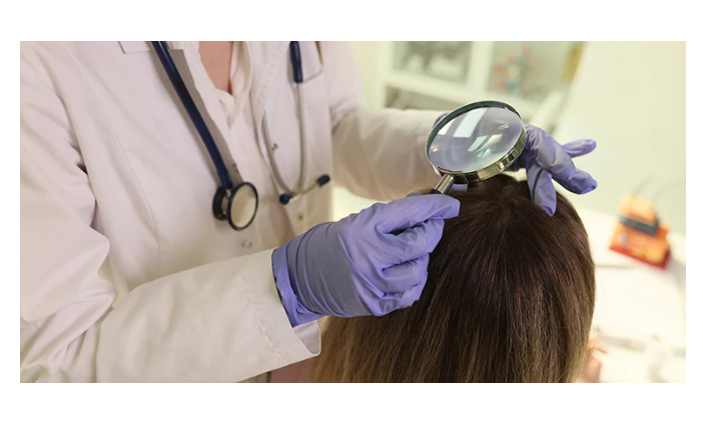
This unit explores the role of the clinician in assessing hair concerns and supporting patients experiencing hair loss or scalp symptoms. Key consultation approaches are introduced, including scalp examination, trichoscopy, hair pull testing, wash testing, and trichogram analysis. The unit also discusses the scope of practice within trichology, including collaboration between clinicians and trichologists, patient counselling, and guidance on lifestyle factors that influence hair health.
Unit 2: Product Formulation
This unit focuses on the science behind hair care products and how different formulations affect the hair shaft and scalp. Clinicians often receive questions from patients about shampoos, conditioners, and treatment products, making an understanding of product ingredients highly valuable in clinical practice.
Participants will learn how shampoos cleanse the scalp through surfactants that remove oil, debris, and product build-up, and how conditioners improve hair manageability by depositing protective and lubricating agents onto the hair shaft. The unit also explores different product categories, including medicated shampoos, deep conditioning treatments, leave-in products, and dry shampoos.
The biochemical structure of surfactants and other ingredients is explained, alongside the role of pH balance in maintaining scalp health and cuticle integrity. Clinicians will also learn how certain ingredients may trigger irritation or allergic contact dermatitis, enabling them to advise patients with sensitive or inflamed scalps more effectively.
Unit 3: Hair Care Advice
In this unit, participants learn how to provide personalised hair care advice that considers hair biology, scalp health, cultural practices, and individual lifestyle factors. Hair care routines vary widely depending on hair type, grooming habits, occupational exposures, and patient preferences, so clinicians must adopt a tailored approach when counselling patients.
The unit explains how hair texture, scalp oil production, environmental exposures, and styling habits influence hair health. Participants will learn how to guide patients on appropriate washing frequency, product selection, detangling techniques, and protective styling methods. Common hair care mistakes and myths are also discussed, allowing clinicians to provide evidence-based guidance that corrects misinformation frequently encountered in clinical consultations.
Special attention is given to mechanical damage, traction alopecia, and the effects of heat styling, chemical treatments, and excessive manipulation of the hair shaft. By understanding these factors, clinicians can help patients prevent hair breakage and maintain healthier hair over time.
Unit 4: Afro-Textured and Tightly Curly Hair
The final unit explores the unique biological structure and care requirements of Afro-textured and tightly curly hair. This hair type has distinctive characteristics, including high curvature, reduced sebum distribution along the hair shaft, and increased fragility, all of which require specialised hair care practices.
Participants will learn about common grooming routines used for Afro-textured hair, including moisturising techniques, protective styling, co-washing, and detangling strategies that minimise breakage. The unit also discusses the potential effects of chemical relaxers, heat styling, and tight hairstyles, which can contribute to hair shaft damage or traction alopecia.
Cultural competency is an important focus of this unit. Clinicians will gain insight into the cultural, social, and religious significance of hair for many individuals and learn how to communicate respectfully and effectively when discussing hair care practices. Understanding these perspectives helps clinicians provide patient-centred care that respects identity, culture, and personal preferences.
This course provides clinicians with a practical introduction to trichology, combining scientific principles with real-world clinical guidance. By understanding hair biology, product formulation, personalised hair care advice, and cultural considerations in hair management, clinicians can offer more informed, empathetic, and effective care to patients experiencing hair and scalp concerns.
*Medical Board of Australia’s (MBA)’s Registration Standard: Continuing professional development (the Standard)