"Non-Aesthetic Use of Lasers" explores the innovative medical applications of laser technology in treating a variety of health conditions. Divided into five units, this course offers an in-depth understanding of laser systems, therapeutic techniques, and patient care considerations.
Unit 1: Types of Laser Systems
This foundational unit introduces key laser systems:
- Erbium:YAG Laser: Effective for superficial treatments like skin lesions and tissue ablation
- Nd:YAG Laser: Penetrates deeper tissues for conditions such as warts and fungal infections
- The unit covers laser physics, chromophores, and the selection of laser types based on medical indications, ensuring a solid understanding of their mechanisms and applications.
Unit 2: Treatment of Onychomycosis
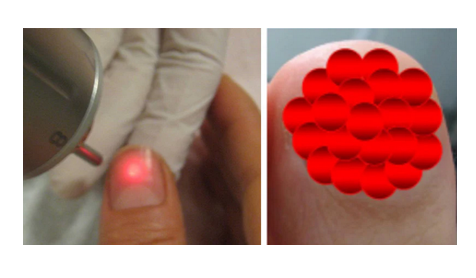
Focuses on using Nd:YAG lasers for fungal nail infections:
- High precision and efficacy without damaging surrounding tissues
- A non-invasive alternative to traditional anti-fungal therapies, minimising side effects like hepatotoxicity
- Step-by-step protocols including preparation, laser delivery, and follow-up care
- The unit also highlights the success rate and patient satisfaction associated with laser therapy for nail restoration.
Unit 3: Warts and Verrucae Treatments
Explores laser applications for treating warts:
- Erbium:YAG Laser: Precise ablation with minimal scarring
- Nd:YAG Laser: Coagulates feeding blood vessels to induce necrosis and reduce recurrence
- Non-invasive, anaesthetic-free procedures suitable for all skin types
- Protocols include infection control measures and safe handling of laser plume to ensure practitioner and patient safety.
Unit 4: Snoring and Sleep Apnea Management
Examines the role of lasers in treating mild to moderate obstructive sleep apnea:
- Non-ablative Erbium:YAG lasers used to remodel collagen and tighten tissues in the upper airway
- Minimally invasive, office-based procedure that improves airway patency, reduces snoring, and enhances sleep quality
- Patient selection criteria, including apnea-hypopnea index and anatomical considerations, are discussed for optimal outcomes.
Unit 5: Gynaecological Applications
Covers laser treatments for various gynaecological conditions:
- Stress Urinary Incontinence: Non-ablative lasers stimulate collagen remodelling to tighten pelvic tissues
- Vaginal Atrophy: Reduces symptoms like dryness and irritation through thermal effects and increased vascularisation
- Pelvic Organ Prolapse: Improves prolapse grades non-surgically with photothermal energy
- Protocols emphasise patient selection, contraindications, and integration with traditional therapies like pelvic floor exercises.
This course provides a blend of theoretical knowledge, case studies, and practical insights, empowering participants to deliver cutting-edge laser treatments safely and effectively in a clinical setting.
Learning Outcomes
- Determine non-aesthetic uses of lasers including gynecological applications, toenail fungus, vaginal, incontinence, warts and snoring.
Details
Cost: Please refer to Healthcert's website
Suitable for: All degree qualified medical practitioners
Study mode: 100% online
Disclaimer: Please note, once you click 'Register now' you will be leaving the AMA’s CPD Home website and entering a third-party education provider’s website. If you choose to register for this learning, you will need to provide some of your personal information directly to the third-party education provider. If you have any queries about how third-party education providers use, disclose or store your personal information you should consult their privacy policy.
Upon completion, your CPD activity record may take up to 4 weeks to be reflected on your CPD Home Dashboard.