Please wait...

Learn

Finding accredited CPD

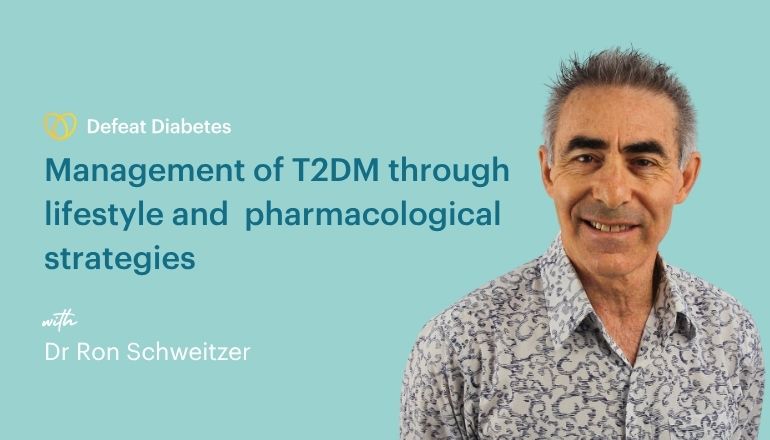
Management of T2DM through lifestyle and pharmacological strategies

Description

After completing this course, health professionals will be able to:

  • Understand the principles of therapeutic carbohydrate reduction (TCR), including definitions of low-carbohydrate, very low-carbohydrate, and ketogenic diets, and how these approaches impact blood glucose and insulin levels in the management of type 2 diabetes.
  • Evaluate current evidence supporting dietary interventions. Interpret the findings of key studies and meta-analyses demonstrating the role of both low-calorie and low-carbohydrate diets in achieving type 2 diabetes remission, with attention to long-term feasibility and sustainability.
  • Appraise nutrition guidelines by comparing established national recommendations with emerging evidence-based alternatives, recognising the strengths and limitations of different dietary strategies for diabetes management.
  • Implement non-pharmacological lifestyle interventions, such as nutrition, intermittent fasting, and physical activity, to support metabolic health and glycaemic control in patients with type 2 diabetes.
  • Prescribe TCR safely and monitor progress, understanding the clinical need for medication adjustments (particularly insulin, sulfonylureas, and SGLT2 inhibitors) to minimise the risks of hypoglycaemia and ketoacidosis as patients reduce carbohydrate intake.
  • Differentiate between nutritional ketosis and ketoacidosis, arming clinicians with practical knowledge to educate patients on safety, symptom recognition, and the physiological differences between these states.
  • Apply patient-centred case study insights, learning from real-world examples of individuals with type 2 diabetes who achieved improved glycaemic control, weight loss, and liver function via TCR and intermittent fasting.
  • Support sustainable behaviour change, equipping patients to make informed choices, troubleshoot challenges (such as dietary adherence in social settings), and achieve improved long-term health outcomes with ongoing support and monitoring.

These learning outcomes will empower health professionals to implement up-to-date, evidence-based lifestyle and nutritional strategies for the effective non-pharmacological management of type 2 diabetes.


Details

Disclaimer: Please note, once you click 'Register now' you will be leaving the AMA’s CPD Home website and entering a third-party education provider’s website. If you choose to register for this learning, you will need to provide some of your personal information directly to the third-party education provider. If you have any queries about how third-party education providers use, disclose or store your personal information you should consult their privacy policy. Upon completion, your CPD activity record may take up to 4 weeks to be reflected on your CPD Home Dashboard.  

Upon completion, your CPD activity record may take up to 4 weeks to be reflected on your CPD Home Dashboard. 

Provided by


CPD Activity Details
Topic
General Medicine
CAPE Aspects
_
Effective Year

Educational Activities (EA) - 0.30

Reviewing Performance (RP) - 0.0

Measuring Outcomes (MO) - 0.0

You have to log in to see the content of this module.

*Medical Board of Australia’s (MBA)’s Registration Standard: Continuing professional development (the Standard)