Finding accredited CPD
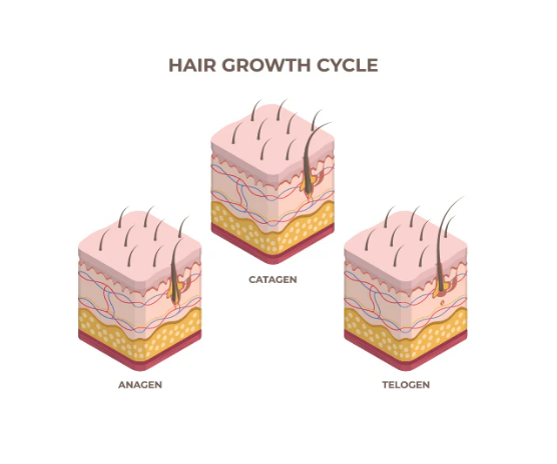
Telogen effluvium is a common non-scarring form of hair loss characterised by diffuse shedding resulting from disruption of the normal hair growth cycle. Under normal conditions, the majority of scalp hairs remain in the anagen growth phase, while a smaller proportion are in the resting telogen phase. When a physiological or psychological stressor disrupts this balance, a larger proportion of hair follicles shift into the telogen phase simultaneously, leading to noticeable shedding several months later. This course provides clinicians with a structured framework for understanding the biological mechanisms, clinical presentation, diagnosis and management of telogen effluvium.
Participants will learn how to recognise the condition in clinical practice, identify potential triggers, differentiate it from other causes of hair loss and develop appropriate management strategies that address both the underlying cause and the patient’s concerns.
Unit 1: Introduction
This unit introduces the hair growth cycle and explains how telogen effluvium develops when the balance between growth and resting phases is disrupted.
Participants will learn about the three stages of the hair cycle—anagen, catagen and telogen—and how the duration of these phases determines hair growth and shedding patterns. The unit also explains how a sudden shift of hair follicles into the telogen phase can result in diffuse shedding across the scalp. Epidemiology and demographics are discussed, highlighting that telogen effluvium is the second most common cause of hair loss after androgenetic alopecia and can affect individuals of any age or background.
Unit 2: Pathophysiology
This unit explores the biological mechanisms that drive telogen effluvium.
Participants will examine how systemic stressors such as illness, hormonal changes or metabolic disturbances can prematurely shift hair follicles from the anagen growth phase into the telogen resting phase. The molecular processes regulating hair growth, including the Wnt/beta-catenin signalling pathway, are discussed to illustrate how disruptions in follicular biology can lead to diffuse hair shedding.
The unit also introduces classifications of telogen effluvium based on underlying mechanisms, including premature teloptosis, collective teloptosis and premature entry into the telogen phase. Differences between acute and chronic telogen effluvium are also explained.
Unit 3: Triggers
This unit focuses on the many physiological and pathological triggers that can lead to telogen effluvium.
Participants will explore common causes including acute illness, surgery, severe infection, psychological stress, rapid weight loss, endocrine disorders and nutritional deficiencies such as iron deficiency. Medication-induced telogen effluvium is also discussed, including drugs such as anticoagulants, antidepressants, retinoids and beta blockers.
Hormonal changes related to pregnancy, menopause and discontinuation of hormonal contraception are examined, as well as emerging triggers such as viral illness and significant lifestyle changes.
Unit 4: History Taking Approach and Clinical Presentation
This unit provides clinicians with a structured approach to assessing patients who present with diffuse hair shedding.
Participants will learn how to evaluate the onset and duration of hair loss, identify patterns of shedding and explore potential triggers in a patient’s recent medical history. The unit also introduces clinical tools used to quantify hair shedding, such as the Sinclair Shedding Scale and hair counting methods.
Typical clinical features of telogen effluvium are discussed, including diffuse hair shedding with preservation of the hairline. Associated symptoms such as scalp tenderness or altered scalp sensations may also be present in some patients.
Unit 5: Diagnostic Approach
This unit explains how telogen effluvium is diagnosed and how clinicians can differentiate it from other causes of hair loss.
Participants will learn about the role of clinical examination, hair pull testing and hair wash tests in identifying increased shedding. Dermoscopy and trichoscopy are introduced as valuable tools for distinguishing telogen effluvium from androgenetic alopecia and other hair disorders.
The unit also discusses when laboratory investigations may be appropriate, including tests to identify nutritional deficiencies, thyroid dysfunction or other systemic causes of hair loss.
Unit 6: Differential Diagnosis
This unit explores conditions that may mimic telogen effluvium and explains how to differentiate them.
Participants will examine differences between telogen effluvium and pattern hair loss, where thinning tends to occur gradually rather than through sudden shedding. Other differential diagnoses discussed include alopecia areata incognita, anagen effluvium caused by chemotherapy, traction alopecia resulting from hair styling practices and scarring alopecias such as frontal fibrosing alopecia.
Understanding these distinctions helps clinicians avoid misdiagnosis and select appropriate management strategies.
Unit 7: Management Options
This unit reviews evidence-based strategies for managing telogen effluvium.
Participants will learn that reassurance and identification of underlying triggers are often the most important steps in managing acute telogen effluvium. Correcting nutritional deficiencies, addressing medical conditions and reviewing medications may help restore normal hair growth.
Lifestyle and hair care recommendations are discussed, including avoiding excessive heat styling or chemical treatments while the hair cycle recovers. In chronic or persistent cases, treatment options such as topical or oral minoxidil may be considered, along with supportive therapies aimed at promoting hair regrowth.
Unit 8: Clinical Correlations with Cases
The final unit uses real-world clinical scenarios to illustrate the diagnosis and management of telogen effluvium.
Participants will review case studies involving acute telogen effluvium following illness, chronic telogen effluvium related to ongoing stress, medication-induced shedding and postpartum hair loss. Each case demonstrates how clinicians can identify triggers, interpret clinical findings and develop appropriate management plans.
These case discussions reinforce clinical reasoning and provide practical examples of how telogen effluvium presents in everyday medical practice.
Telogen effluvium is a common yet often distressing form of hair loss that requires a thoughtful clinical approach. By understanding the underlying mechanisms, recognising key diagnostic features and identifying potential triggers, clinicians can confidently diagnose the condition and guide patients through effective management strategies that support recovery and long-term hair health.
*Medical Board of Australia’s (MBA)’s Registration Standard: Continuing professional development (the Standard)